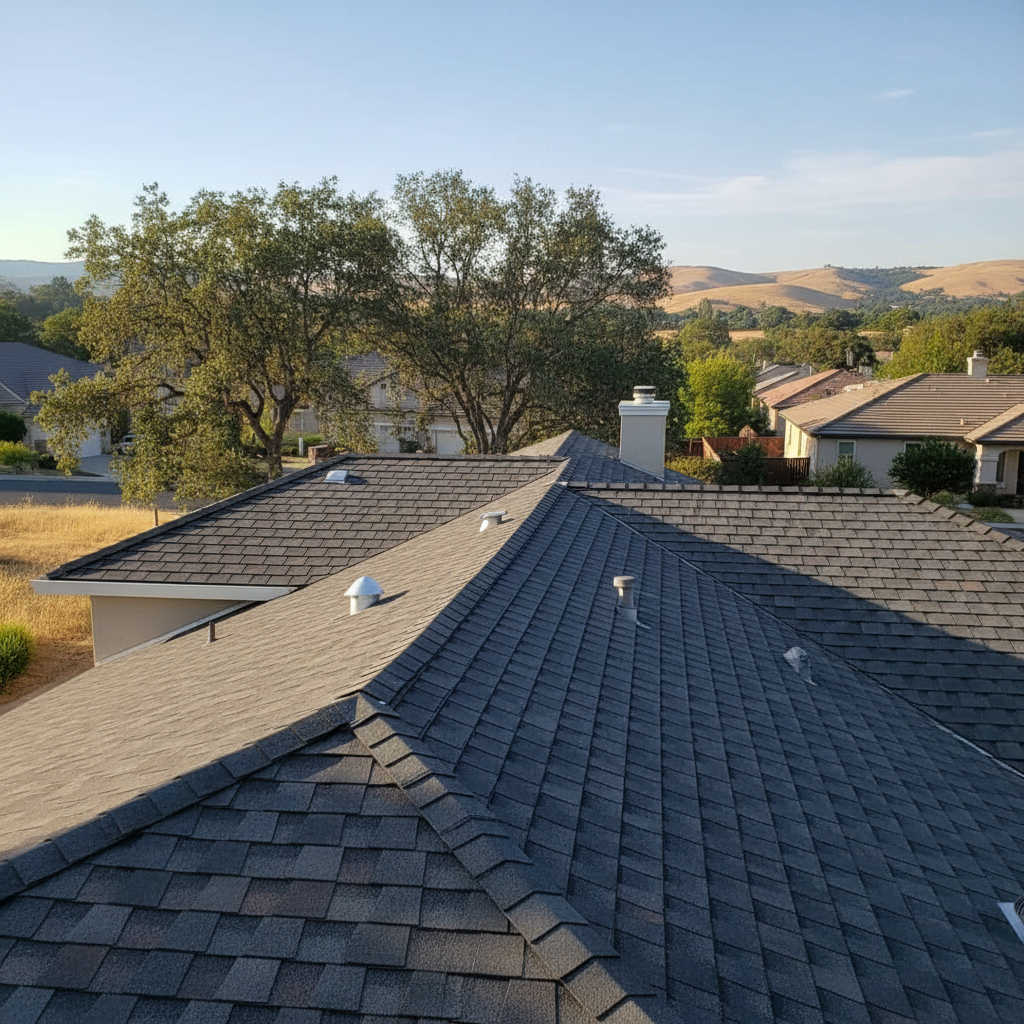
So, you just got a brand new roof on your Folsom home. Maybe it was a full tear-off, or maybe you went with a re-roof. Either way, you've dropped some serious cash, and you're probably feeling pretty good about it. You should! A new roof is a huge deal for your home's protection and value. But here's the kicker: just because it's new doesn't mean you can just forget about it. Think of it like a new car – you wouldn't just drive it off the lot and never change the oil, right? Your roof needs a little TLC too, especially with our Folsom weather.
Making Your Investment Last
You want that new roof to hit its full lifespan, maybe even go beyond it. The biggest thing you can do to make that happen is pretty simple: keep it clean and keep an eye on it. Here in Folsom, especially if you live in one of those older neighborhoods with big, beautiful oak trees, leaves and debris are a constant battle. Those leaves pile up in valleys and gutters, trapping moisture. And that moisture? It's a killer for shingles, flashing, and even the decking underneath. It's like letting a puddle sit on your kitchen counter for weeks – eventually, it's going to cause problems.
Another thing we see a lot is homeowners not realizing just how much direct sunlight we get here. Our summers are brutal, and that constant UV exposure can really bake a roof. Lighter colored shingles can help reflect some of that heat, sure, but regular maintenance ensures the materials are holding up against that relentless Folsom sun. If you've got good attic ventilation, that helps too, by keeping the heat from building up and cooking your roof from the inside out.
Regular Maintenance: Your Roof's Best Friend
Alright, so what does 'regular maintenance' actually look like? It's not rocket science, but it does take a little effort. I tell my customers to do a quick visual check at least twice a year, ideally in the spring after the winter rains and again in the fall before the next rainy season kicks in. If you're comfortable getting on a ladder, great. If not, a good pair of binoculars from the ground can tell you a lot.
- Gutters and Downspouts: Clean them out! This is probably the most important thing you can do. Clogged gutters mean water can't drain properly, and it'll back up under your shingles or spill over, causing damage to fascia boards, siding, and even your foundation. We've seen it happen too many times, trust me.
- Debris Removal: Get those leaves, branches, and pine needles off your roof. Pay extra attention to valleys and around chimneys or skylights where debris tends to collect. A leaf blower on a low setting works great, or a soft broom. Just don't use a pressure washer – that can strip granules right off your shingles.
- Trim Overhanging Branches: If you've got branches scraping against your roof, they're not just shedding leaves; they're also abrading your shingles. Plus, a big storm could snap a branch and cause serious damage. Keep them trimmed back a few feet from the roof surface.
- Check for Moss and Algae: In shadier spots, especially on the north side of your house, you might see moss or algae growing. This holds moisture and can degrade your shingles. There are roof cleaning solutions you can use, or you can gently brush it off. Again, no high-pressure washing.
Warning Signs You Shouldn't Ignore
Your roof usually gives you clues when something's not right. You just have to know what to look for. Don't wait until you've got a bucket in the living room, right?
- Granule Loss: Look in your gutters. Are there a lot of little sand-like granules? That's your shingle's protective layer eroding. A little is normal, especially on a new roof, but excessive amounts mean your shingles are aging faster than they should.
- Curling, Cracking, or Blistering Shingles: If shingles are starting to curl up at the edges, crack, or look like they have bubbles, they're failing. This is often due to sun exposure and age.
- Missing Shingles: This one's obvious. High winds can rip shingles right off. If you see bare spots, you're exposed.
- Rust or Corrosion: Check flashing around chimneys, vents, and skylights. If you see rust, it means the metal is degrading and could lead to leaks.
- Water Stains Inside: This is the big one. If you see water spots on your ceiling or walls, especially after a rain, you've got a leak. Don't put it off.
- Sagging Roof Deck: If your roof looks like it's dipping in spots, that's a serious structural issue and needs immediate attention.
When to Call a Professional
While you can do a lot of the basic maintenance yourself, there are times when you really need to call in the pros. If you're uncomfortable on a ladder, or if you see any of the more serious warning signs I just mentioned, it's time to pick up the phone. Don't try to DIY a major repair if you're not experienced; you could do more harm than good, or worse, hurt yourself. We're talking about your home's main defense against the elements here.
I recommend getting a professional roof inspection every 3-5 years, even if you don't see any obvious problems. A trained eye can spot subtle issues before they become big, expensive headaches. Here at Champion Roofing Solutions, we know Folsom roofs inside and out – the specific challenges of our climate, the common issues in different housing styles, all of it. We can give you an honest assessment and recommend the right course of action, whether it's a small repair or just some reassurance.
Taking care of your new roof isn't just about protecting your investment; it's about protecting your home and everything inside it. A little regular attention goes a long, long way.