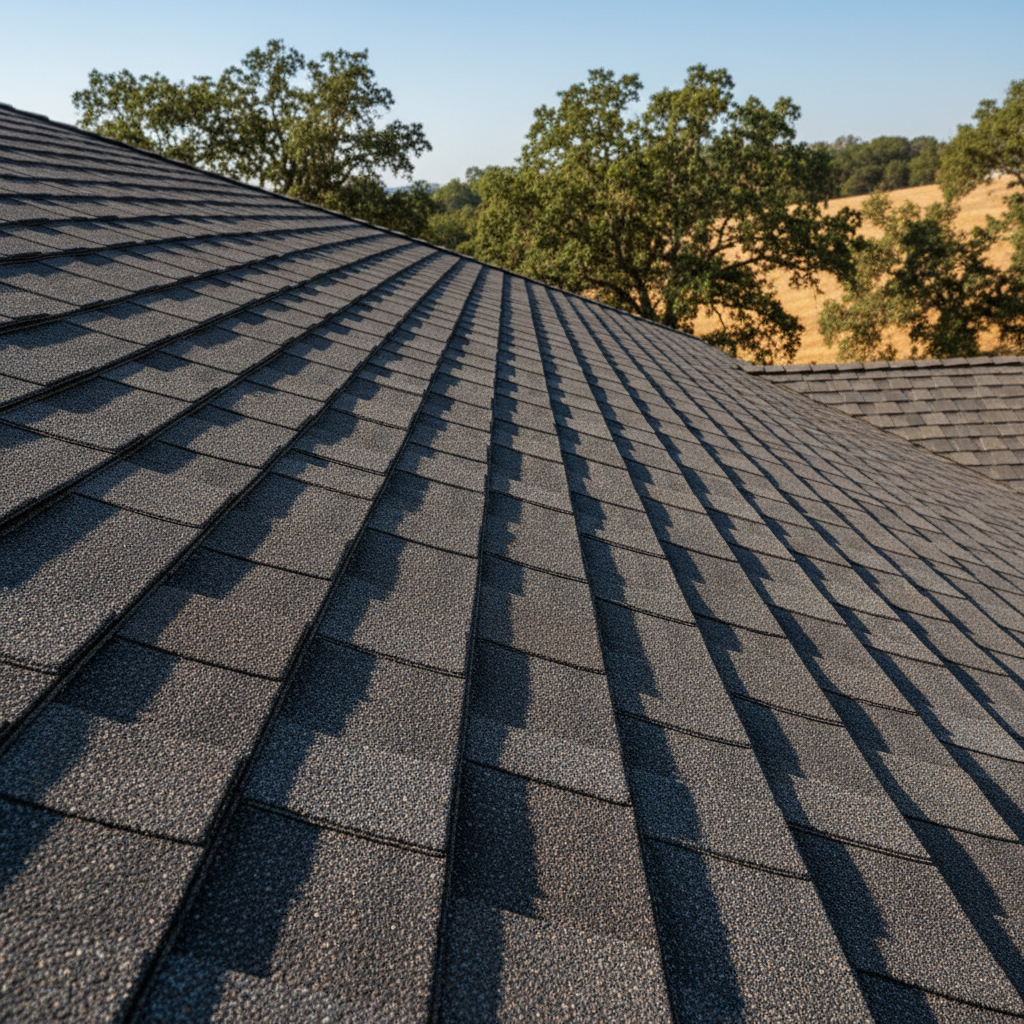
Look, your roof is your home's main shield against Folsom's crazy weather. We get those scorching, dry summers that just bake everything, and then wet, cold winters often bring heavy rains and strong winds. All that weather really takes a toll. Ignoring your roof until something breaks is kind of like skipping oil changes until your car engine dies. You wouldn't do that, would you?
Regular roof inspections are super important for homeowners here in Folsom. They help catch little problems before they blow up into massive, expensive headaches. I'm talking about stuff like sealants cracking from the heat around your plumbing vents, or shingles getting lifted by the wind near Folsom Lake. Sure, you can definitely do some of this yourself, but there are absolutely times when you need to bring in a pro, someone like us at Champion Roofing Solutions.
Before You Start: Safety First, Always
Before you even think about getting up on your roof, let's talk safety. I really can't say this enough. Falling from a roof can be absolutely devastating. If you don't feel steady on a ladder, or if your roof is steep, wet, or covered in debris, just don't do it. Seriously, don't. Your safety is worth way more than any money you might save doing it yourself. If you do decide to use a ladder, make sure it's solid, locked in place, and sticks out at least three feet above the roof's edge. Wear shoes that won't slip. Even better, grab a good pair of binoculars and check things out from the ground.
What You Can Do Yourself: The Ground-Level Scan
You'd be surprised how much you can spot without ever leaving the ground. Just grab those binoculars and walk all the way around your house. Here's what to keep an eye out for:
- Missing or Damaged Shingles: Do any shingles look curled up, cracked, buckled, or just plain gone? Even one missing shingle leaves your roof wide open. Our intense summer heat, you know, can make asphalt shingles brittle and easy to crack.
- Granules in Gutters: Seeing a lot of sandy, gritty stuff in your gutters or at the bottom of your downspouts? Those are shingle granules. They're what protect your shingles from the sun. If a bunch of them are coming off, your roof is getting old and losing its protection.
- Sagging or Uneven Spots: Does any part of your roof look like it's dipping or not quite level? That could mean a structural problem, and that's serious business.
- Loose or Damaged Flashing: Flashing is that metal stuff you see around chimneys, vents, skylights, and where roof sections meet walls. Its whole job is to keep water from getting in. If it looks bent, rusty, or pulled apart, that's a big warning sign.
- Clogged Gutters: Okay, so gutters aren't technically part of the roof, but clogged ones can make water back up under your shingles, leading to rot and leaks. Keep them clear, especially after our dry summer when leaves and junk pile up.
- Moss or Algae Growth: While it might not cause damage right away, too much moss or algae can trap moisture and slowly break down your roofing materials.
- Attic Check: If you can get into your attic safely, grab a flashlight. Look for water stains on the underside of the roof decking or rafters. Musty smells are also a dead giveaway for moisture problems.
When to Call a Pro: Don't Guess, Get an Expert
There are just some things you shouldn't mess with yourself, or that really need a trained eye and special tools. Here's when it's time to pick up the phone and give us a ring:
- After a Major Storm: Folsom definitely gets its share of wind and rain, especially in winter. After a big storm, strong winds can lift or tear off shingles. Even if you don't see obvious damage from the ground, hidden issues could be brewing. We always suggest an inspection after severe weather.
- Visible Leaks or Water Stains Inside: If you see water dripping from your ceiling, or notice stains on your walls or attic ceiling, don't wait. A small drip can quickly turn into huge interior damage, mold, or dry rot.
- If You Suspect Structural Damage: Any sagging or major unevenness needs a professional assessment right away.
- If Your Roof is Older: Most asphalt shingle roofs last about 20-25 years. If yours is getting up there, an annual professional inspection is a smart move to catch regular wear and tear.
- Before Buying or Selling: A professional inspection gives you peace of mind, or it can help you out during negotiations.
- You're Uncomfortable or Unsure: This is the big one, isn't it? If you have any doubt about getting on your roof, or if you're not quite sure what you're even looking at, just call us. It's simply not worth the risk.
We'll do a really thorough inspection, often finding problems you can't see from the ground, like issues with the underlayment. We don't just patch the obvious problem; we dig into what's causing it, checking the attic for water stains, looking at the decking, or assessing nearby components.
After the Inspection: What's Next?
Whether you do a quick DIY check or we come out for a full inspection, the next steps really depend on what you find. If you spotted minor issues you're comfortable fixing (like cleaning out gutters), that's great. But for anything more serious, especially anything that could mess with your roof's integrity, you need a professional. We'll clearly explain any repairs needed and the materials we'd use, always focusing on solutions that last, not just quick fixes. Fixing small problems early can actually make your roof last longer and save you thousands of dollars.
Think of it as taking care of your home proactively. Your roof protects everything you own, and keeping it in great shape is just smart homeowner sense. Give Champion Roofing Solutions a call if you need an expert eye on your Folsom roof.