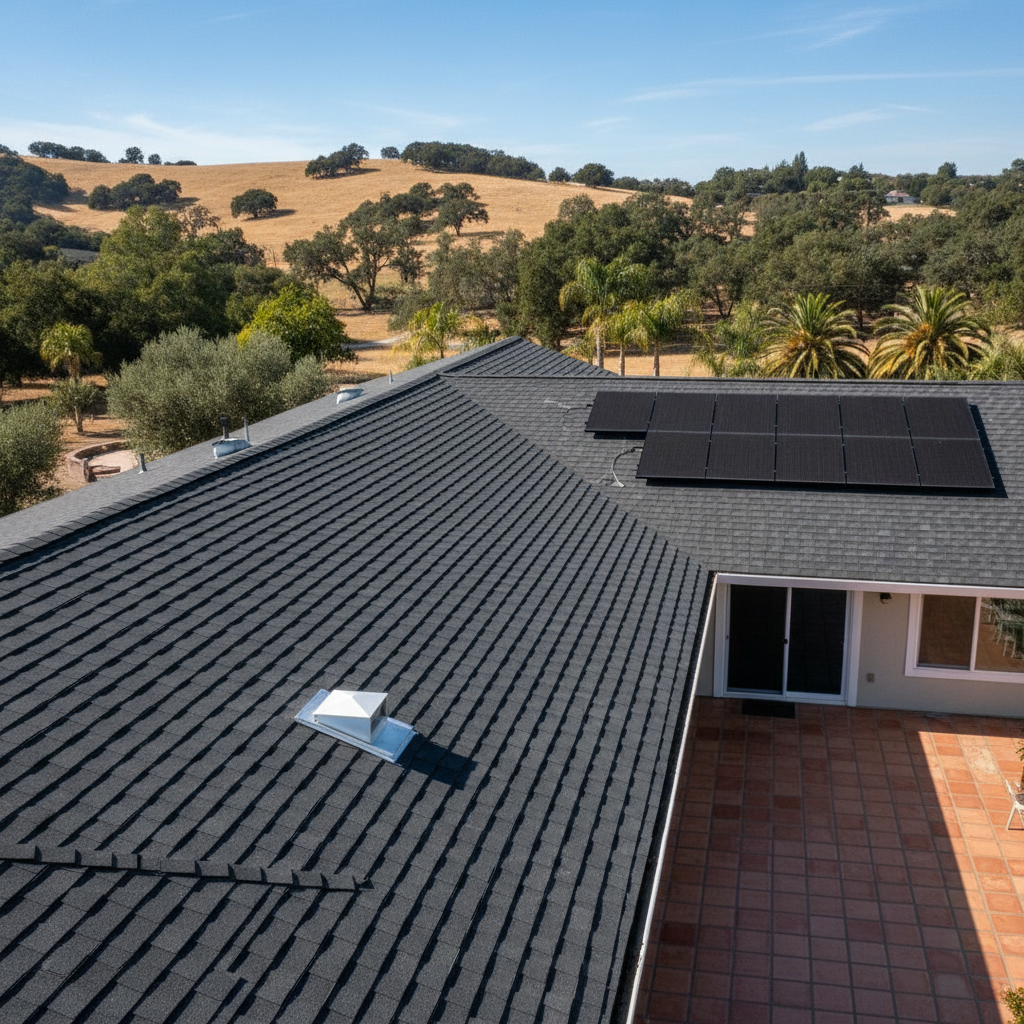
Your roof really takes a beating, plain and simple. Here in Folsom, we get those scorching summers that bake everything, then the occasional heavy winter rains that really test a roof's limits. It's not just about keeping the water out, though; it's about protecting your biggest investment. A little proactive maintenance goes a long way towards avoiding big, expensive headaches down the road. Trust me, I've seen enough leaky ceilings to know.
How to Make Your Roof Last Longer: It's All About Prevention
You want your roof to last as long as possible, right? Good. The best way to do that is to stay ahead of the curve. It's not rocket science, but it does take a bit of attention.
- Keep it Clean: Debris is the enemy. Leaves, pine needles (especially if you're near the American River Parkway), and twigs trap moisture. That moisture can lead to rot, mold, and even compromise your shingles. Clear your gutters regularly—at least twice a year, maybe more if you have a lot of trees. Don't let that stuff just sit there and fester.
- Trim Those Trees: Overhanging branches might look nice, but they're a direct threat. They drop debris, scratch shingles in the wind, and can even fall and cause major damage during a storm. Keep them trimmed back at least 6-10 feet from your roofline.
- Make Sure There's Good Ventilation: This is huge, particularly with our Folsom summers. Good attic ventilation stops heat and moisture from building up. Without it, your attic gets oven-hot, baking your shingles from below and drastically shortening their life. It also helps prevent ice dams in the rare cold snaps we get, though that's usually less of a concern here than in colder climates, wouldn't you agree?
- Check Your Attic: While you're up there, take a peek in the attic. Look for signs of moisture, dark spots on the underside of the roof deck, or even a musty smell. These are all red flags that something's not quite right above.
What Regular Maintenance Looks Like
Alright, so you're not a roofer, and you don't need to be. But you can definitely do some basic checks. I recommend a visual inspection from the ground every spring and fall. And definitely after any major storm.
Here's what you're looking for:
- Gutters: Are they clear? Are they securely attached? Are they draining properly, or do you see water overflowing?
- Shingles: Are any missing, cracked, curled, or buckling? Do you see granules collecting in your gutters or on the ground? That's a sign your shingles are getting old.
- Flashing: This is the metal around chimneys, skylights, and vents. It's a common leak point. Look for bends, cracks, or rust. Is it pulling away from the surface?
- Soffits and Fascia: These are the boards along your roofline. Look for signs of rot, peeling paint, or pest entry.
- Moss or Algae: While not as prevalent as in wetter climates, you can still get it, especially on north-facing slopes or shaded areas. It holds moisture and degrades shingles.
If you're comfortable and have a safe ladder, you can get up there for a closer look, but be careful. Safety first, always.
Warning Signs You Can't Ignore
Some things just scream