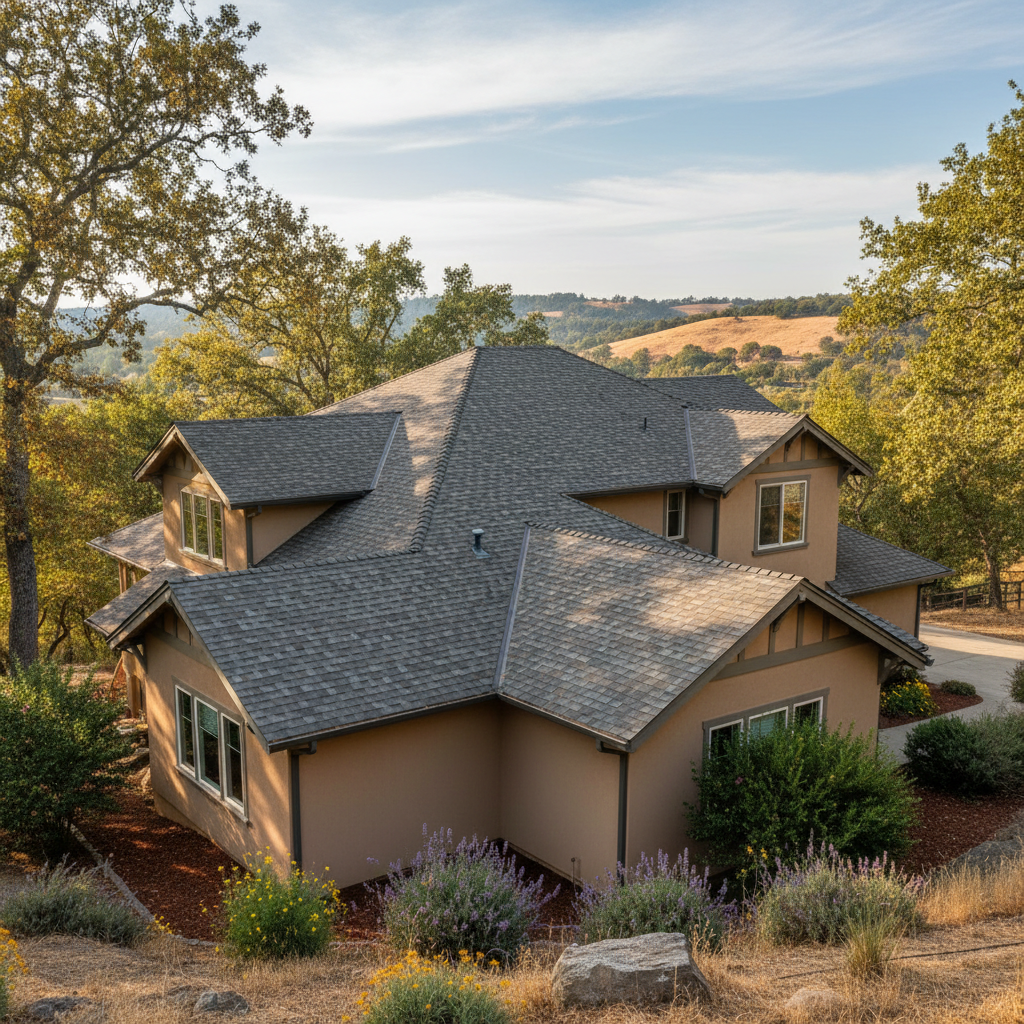
When's the best time to put on a new roof here in Folsom? That's a question I get asked a lot, and it's a good one. Our weather isn't like, say, Minnesota, where you've got a short window between blizzards. But it's also not like San Diego, where it's pretty much always sunny. We've got our own unique climate challenges, and understanding them can save you a whole lot of headaches and money down the road.
The Best Times to Roof in Folsom
Look, if you need a new roof, you need a new roof. Sometimes you don't get to pick the season, do you? But if you've got the luxury of planning ahead, here's what I usually recommend.
Spring (March - May): This is probably my favorite time. Temperatures are mild, usually hanging out in the 60s and 70s. That's just right for materials like asphalt shingles to properly seal and cure. You'll get some rain, sure, but it's usually predictable, not those all-day downpours we see in winter. We can plan around it, tarp things up, and keep the project moving along. Plus, the ground isn't too hot or too cold, which is better for both the crew and the materials.
Fall (September - November): Another great window. Once those brutal summer temps finally start to drop, roofing becomes a lot more pleasant and efficient. Again, mild weather, less chance of intense heat damaging shingles before we can even get them properly installed, and usually a drier stretch before the real winter rains kick in. You might run into some early fog or cooler mornings, but nothing that stops work.
Times to Approach with Caution (or Plan Ahead)
Then there are the seasons where you can still get a great roof, but you and your contractor need to be extra smart about it.
Summer (June - August): We all know Folsom summers. They're hot. Really hot. We're talking 100+ degrees for days on end sometimes. Installing a roof in that kind of heat is tough on the crew, and it can be tough on the materials, too. Shingles get super pliable, almost gooey, and can be easily damaged if they're not handled just right. Plus, walking on a 150-degree roof all day? No fun at all. If you absolutely need a roof in summer, we'll do it, but we'll start early, take more breaks, and be extra careful with how we handle the materials. It might take a little longer, and it's definitely harder work.
Winter (December - February): This is our rainy season. You'll get more consistent cold and wet weather. Asphalt shingles need a certain temperature to properly seal down, and if it's too cold or wet for too long, they just won't. That means a higher risk of wind damage before they seal, or even water intrusion if we get caught in a surprise downpour. We can still work in winter, but we'll need longer dry spells, and sometimes projects get delayed. If you live in an area like the American River Canyon, where you might get more shade and dampness, winter installs are even trickier, believe me.
Why Timing Matters for Your Roof's Longevity
It's not just about convenience, you know. The weather conditions during installation directly impact how long your roof lasts and how well it performs.
Think about it: if shingles go on a scorching hot day, they're already expanded. When things cool down, they contract, and if they weren't laid perfectly, you can get buckling or stress. Same goes for cold; if they're too stiff, they might not lay flat or seal properly. The seal strip on asphalt shingles needs heat to activate and bond to the shingle above it. If it doesn't get that, you're relying on gravity and fasteners alone, which isn't ideal, especially when those strong Folsom winds pick up.
Moisture is another big one. You never want to put roofing materials on a wet deck. It can trap moisture, lead to mold, and compromise the integrity of your roof structure. We're super careful about that at Champion Roofing Solutions, no matter the season. We check the forecast constantly and use proper underlayment and flashing to protect your home.
Protecting Your Investment Year-Round
Once your new roof is on, the battle isn't over. Here's how to keep it in top shape through all our Folsom seasons:
Keep Gutters Clean: This is a year-round job, but especially important before and after our rainy season. Clogged gutters mean water backs up, sits on your roof, and can cause rot or ice dams in colder snaps. You'd be surprised how many problems start with a clogged gutter.
Trim Trees: Overhanging branches can scratch shingles, drop debris, and provide easy access for critters. Before winter storms, get those branches cut back. It'll save you from potential damage.
Regular Visual Checks: After a big storm, or even just every few months, take a look from the ground with binoculars. Are there any missing shingles? Loose flashing? Granules collecting in your gutters? Catching small issues early prevents them from becoming huge, expensive problems.
Don't DIY Repairs Unless You're Qualified: I get it, you're handy. But walking on a roof is dangerous, and improper repairs can do more harm than good. If you see something, call a pro. We've got the safety gear and the know-how.
Ultimately, a new roof is a big investment. By understanding how our local Folsom climate impacts the installation process and by taking some simple year-round precautions, you'll ensure that investment protects your home for decades to come. If you've got questions about timing your roof replacement, give us a call. We're always happy to talk through your options.