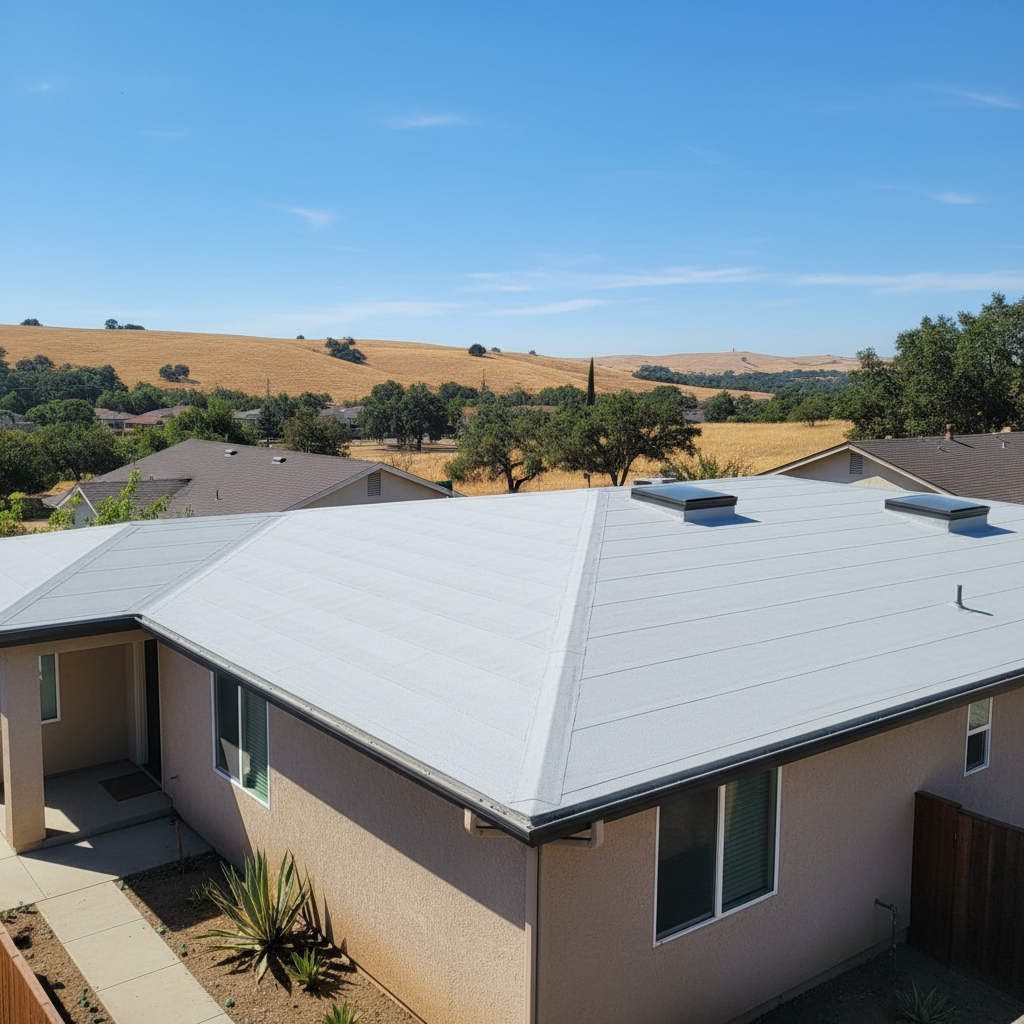
So, you're eyeing a flat roof project for your Folsom property. Maybe it's a brand-new addition, a detached garage, or just an existing low-slope section that's finally given up the ghost. Flat roofs are a little different from your run-of-the-mill pitched shingle job, and thinking ahead makes a huge difference. Let's chat about what you should know to keep everything moving along nicely.
Setting Your Project Timeline
First things first, let's talk about timing. A flat roof usually isn't an overnight fix, especially if you're looking at a full replacement. From your first phone call to the final inspection, here’s a general idea of how it breaks down:
- Initial Contact & Quote: This usually takes a few days, maybe up to a week. We'll swing by, check out the existing roof or the plans, talk materials (TPO, PVC, modified bitumen, you name it), and then put together a detailed estimate for you.
- Material Ordering: Once you give the green light on the quote and sign a contract, we order your materials. Depending on the specific product and what the supply chains are doing, this could be anywhere from one to four weeks. Sometimes it takes a bit longer if you're after a custom color or some specialty item.
- Permitting: Don't forget about Folsom's building department. We take care of this for you, but it's a process, right? Getting permits approved can range from a few days to several weeks, all depending on how busy they are. Often, this happens at the same time we're ordering materials.
- Installation: This is the actual work on your roof. For most residential flat roofs, that might be anywhere from two days to a week. Bigger or more complicated commercial flat roofs will, naturally, take more time.
- Final Inspection: After we've finished up, the city inspector needs to come out and sign off on the work. This usually happens within a few days of us wrapping up the project.
All told, from that first call to a completed, inspected roof, you're often looking at anywhere from 4 to 10 weeks. Planning for the longer end of that spectrum really helps cut down on stress.
What to Expect During Installation
When our crew arrives, here's a rundown of what you'll see happening:
- Protection First: We'll lay down tarps and use other protective measures to safeguard your landscaping, driveways, and anything else around the work area.
- Tear-Off (if needed): If it's a replacement, the old roof comes off. This is definitely the noisy, dusty part. Expect some debris and a lot of activity. We're careful, but it is a construction zone, after all.
- Decking Inspection & Repair: Once the old roof is gone, we'll give the roof deck a good look-over. If there's any rotten or damaged wood, we'll replace it. This step is super important for a solid new roof.
- Insulation & Vapor Barrier: For many flat roofs, we'll put down new insulation boards and a vapor barrier. This is key for keeping your energy bills down and stopping moisture problems.
- Membrane Installation: This is where the new roof actually goes on. Depending on the material, it might be mechanically fastened, glued down with adhesive, or heat-welded. It's a precise job.
- Flashing & Details: All the edges, penetrations (think vents, pipes, HVAC units), and parapet walls get properly flashed to prevent leaks. This is where having experienced hands really pays off.
- Cleanup: Every day, and especially once the project is done, we'll do a thorough cleanup, getting rid of all debris and running magnets for any stray nails.
How to Prepare Your Home
You can definitely help make the whole process smoother for everyone involved:
- Clear the Perimeter: Move cars, patio furniture, grills, and anything else away from the house and the roofline.
- Protect Valuables: If you have anything fragile or valuable in your attic or near the ceiling directly below where we'll be working, maybe cover it up or move it. Sometimes vibrations can knock down dust or little bits of drywall.
- Inform Neighbors: A quick heads-up to your neighbors about the upcoming noise and activity goes a long way, don't you think?
- Access: Make sure we have clear access to your driveway, yard, and any outdoor power outlets we might need.
- Pets & Kids: Keep pets indoors and kids away from the work area for their safety.
Questions to Ask Before You Sign
Before you commit to a contractor, make sure you're clear on these points:
- What specific flat roofing system are you proposing? (Like TPO, PVC, modified bitumen, etc.) And why is it the best fit for my particular roof and Folsom's climate, especially with those hot summers we get?
- What's the warranty on both materials and labor? Get it in writing. Understand what's covered and for how long.
- Who will actually be doing the work? Is it your in-house crew, or do you subcontract? I always prefer to use my own trained guys at Champion Roofing Solutions because I know their work.
- How do you handle unexpected issues? (Say, discovering rotten decking once the old roof is off.) What's the process for telling me and getting approval for any extra costs?
- Can you provide references for flat roof projects you've done recently in the Folsom area?
- What's your payment schedule? When are deposits due, and when do you expect final payments?
- What's your plan for daily cleanup and getting rid of debris?
Asking these questions upfront saves a lot of headaches later. A good contractor will be more than happy to answer all of them clearly. Getting a new flat roof is a big investment, and with just a little planning, you can make sure it's a successful one.