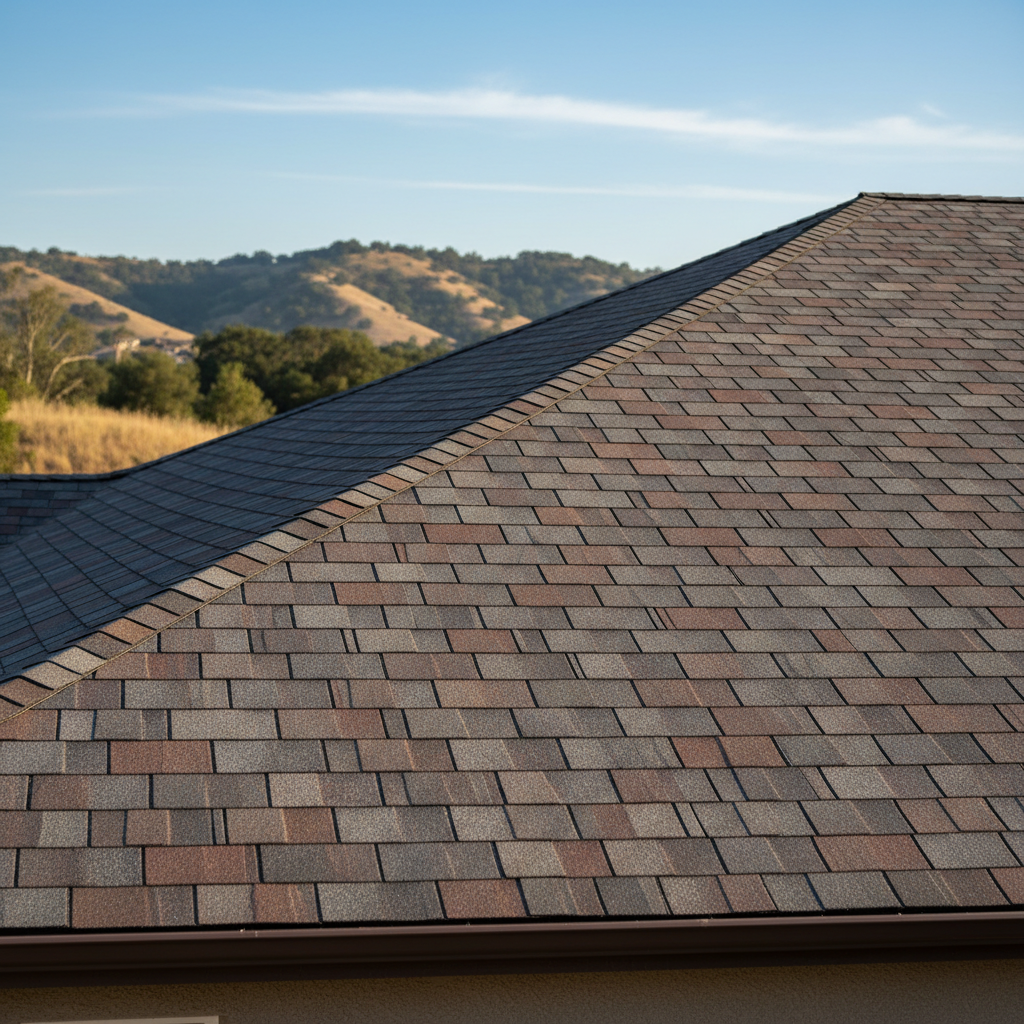
So, you're building a new house here in Folsom. That's exciting! Whether it's a custom build up in the hills or a tract home in one of the newer developments like Folsom Ranch, there's a ton to think about. Foundation, framing, plumbing, electrical... it's a whirlwind. But let me tell you, as someone who's been up on more roofs than I can count, your roof isn't just the cherry on top; it's the lid that keeps everything else safe and sound.
A lot of folks get so caught up in the interior finishes – the countertops, the flooring, the paint colors – that the roof becomes an afterthought. Big mistake. Your roof is your home's main defense against our scorching Folsom summers and those occasional, but intense, winter downpours. Getting it right during new construction is way easier, and cheaper, than fixing problems down the line.
Before Construction: Planning Your Roof Right
This is where you have the most sway. Don't just let the builder pick the cheapest option. You've got choices, and knowing them can save you headaches and money for decades.
- Material Matters: Think about what you want your roof to do. Do you want maximum energy efficiency to combat those 100-degree days? Then maybe a lighter-colored, highly reflective asphalt shingle, or even a tile or metal roof, is a better bet. Clay or concrete tiles, for instance, are fantastic for heat reflection and last forever, but they're heavier and cost more upfront. Asphalt shingles are common, affordable, and come in a huge range of colors and styles. Metal roofs are durable, lightweight, and also great for energy efficiency, plus they look sharp on modern designs. Don't forget about fire resistance either; with the dry conditions we get here, a Class A fire-rated roof is a smart move.
- Pitch and Design: Your architect or builder will handle the structural design, but you can still weigh in on aesthetics and how things work. A steeper pitch sheds water faster, which is good for heavy rain, but might cost a bit more to install. Lower pitches are more susceptible to wind-driven rain and need specialized underlayment. Consider things like dormers, skylights, or solar panel integration early on. It's much simpler to plan for these during the design phase than to cut holes in a brand new roof later.
- Ventilation is Key: This is huge, especially in our climate. Proper attic ventilation keeps your attic cooler, which reduces your AC bills and extends the life of your roof. Ridge vents, soffit vents, and sometimes even powered attic fans work together to create airflow. Make sure your builder has a solid ventilation plan. I've seen too many new homes with inadequate ventilation, leading to premature shingle aging and sky-high energy costs.
- Get it in Writing: Make sure all the roofing specifications – material type, manufacturer, color, warranty details, underlayment type, flashing materials, and ventilation system – are clearly spelled out in your contract. Don't assume anything.
During Construction: Keeping an Eye on Things
You're not expected to be a roofing expert, but a little vigilance goes a long way. This is where your builder's crew or their roofing subcontractor comes in. Most of the actual installation is best left to the pros. Trying to DIY a new roof installation is a recipe for disaster, voided warranties, and potential leaks.
- Underlayment First: Before any shingles go down, you should see the underlayment. This is a crucial waterproof barrier. In Folsom, especially with our occasional heavy rains, I always recommend a high-quality synthetic underlayment, and an ice and water shield in vulnerable areas like valleys and around penetrations. It's cheap insurance.
- Flashing Details: Pay attention to the flashing around chimneys, skylights, vents, and where walls meet the roof. This is where most leaks happen. It needs to be installed correctly, often with multiple layers of protection. You might not know exactly what 'correctly' looks like, but if it looks sloppy or rushed, ask questions.
- Shingle Installation: Are they laying the shingles straight? Are they using the right number of fasteners per shingle? Are they staggering seams properly? These are things you can observe from the ground. If you see shingles buckling or not lying flat, speak up.
- Clean Up: A good roofing crew cleans up daily. You shouldn't see a ton of debris, nails, or shingle scraps littering your yard or landscaping.
After Construction: Protecting Your Investment
The roof is on, the house is done, and you've moved in. Now what? Your job isn't over. A new roof, even a great one, needs a little love.
- Understand Your Warranty: You'll typically have two warranties: one from the manufacturer for the materials and one from the installer for their workmanship. Know what they cover and for how long. Keep all your documentation in a safe place.
- Regular Inspections (from the ground): You don't need to climb up there yourself. Grab a pair of binoculars a couple of times a year, especially after a big storm or heavy winds. Look for missing or damaged shingles, debris accumulation, or anything that just looks 'off.' If you see something, call a pro. Don't try to fix it yourself unless you're experienced and have the right safety gear.
- Keep it Clean: Our oak trees and other landscaping can drop a lot of leaves and debris onto your roof, especially if you're in an older Folsom neighborhood with mature trees. Keep your gutters clean to ensure proper drainage. Debris can trap moisture and speed up wear.
- Trim Trees: Make sure branches aren't rubbing against your roof or overhanging it too closely. They can scratch shingles, drop debris, and provide easy access for critters.
Building a new home is a huge undertaking, and your roof is a massive part of that investment. By being informed and asking the right questions, you'll ensure your Folsom home stays protected and beautiful for decades to come. If you ever have questions or concerns about your new roof, even if it's just a quick look-see, Champion Roofing Solutions is always here to help.